


Description
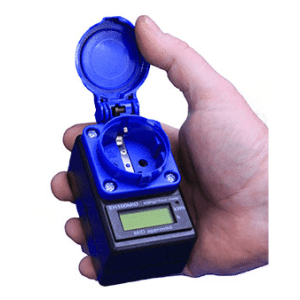
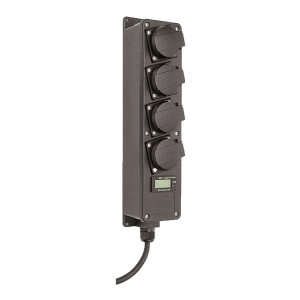
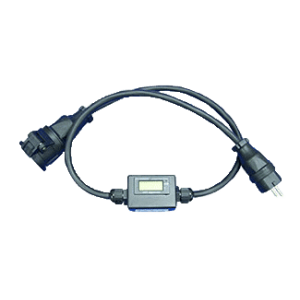
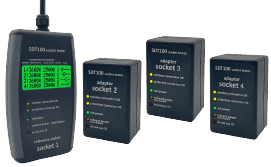
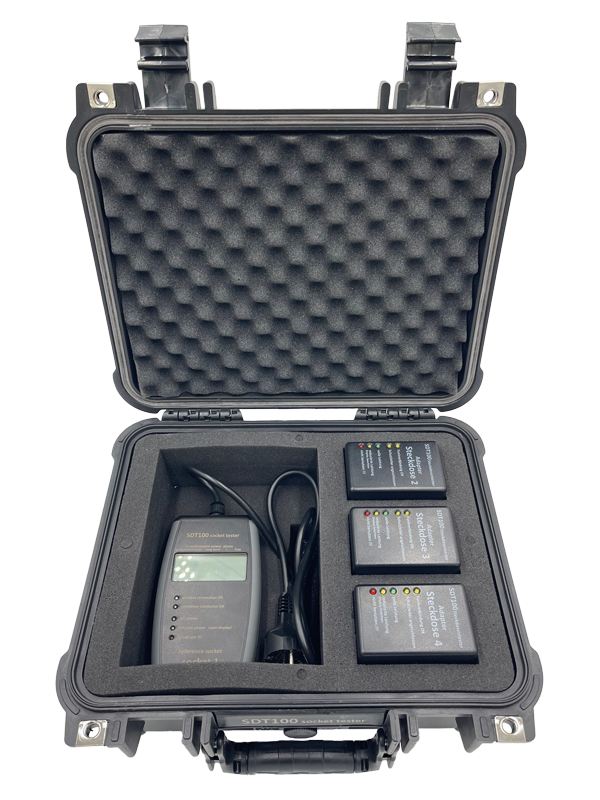
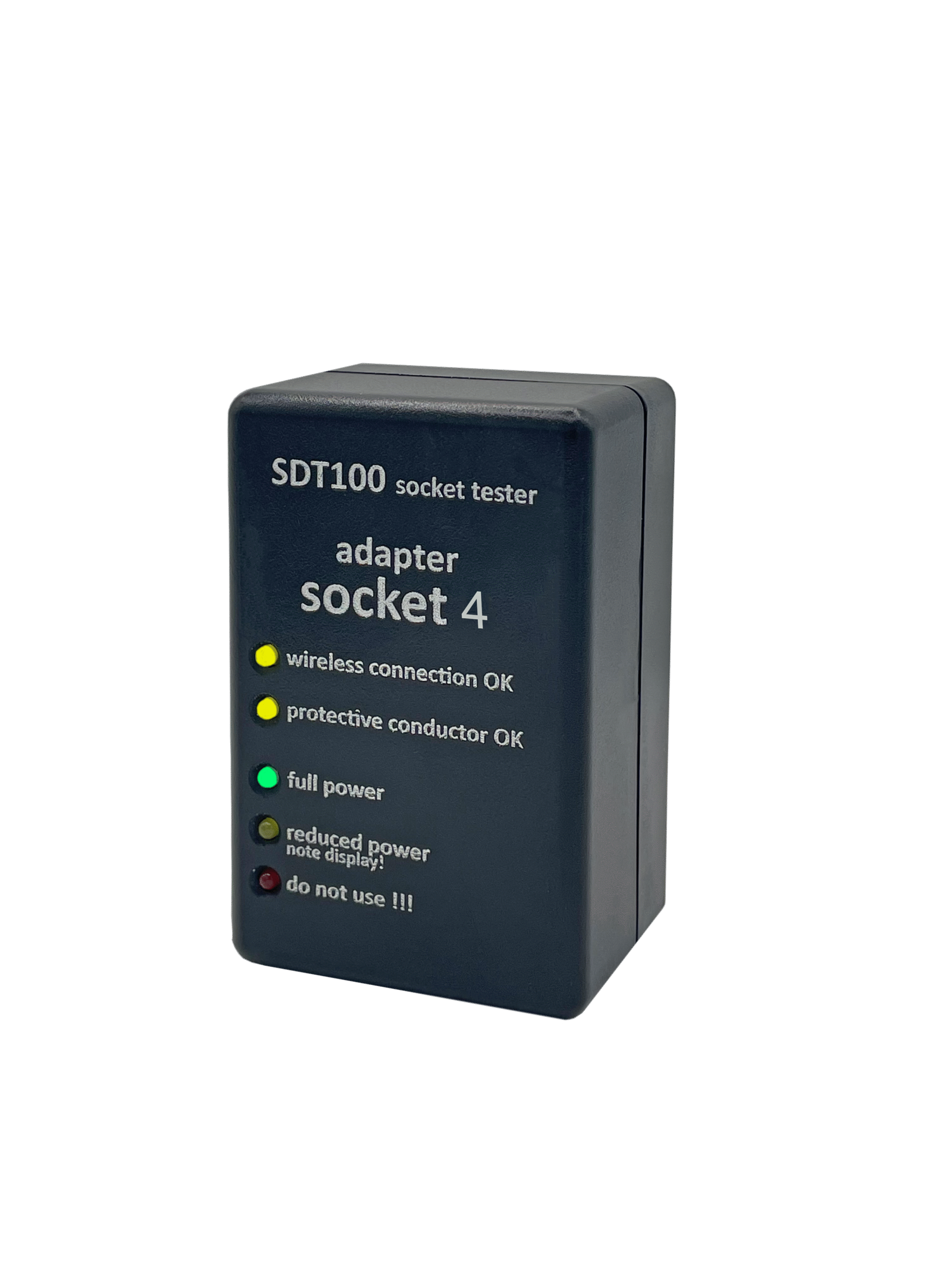
SDT100 power outlet tester
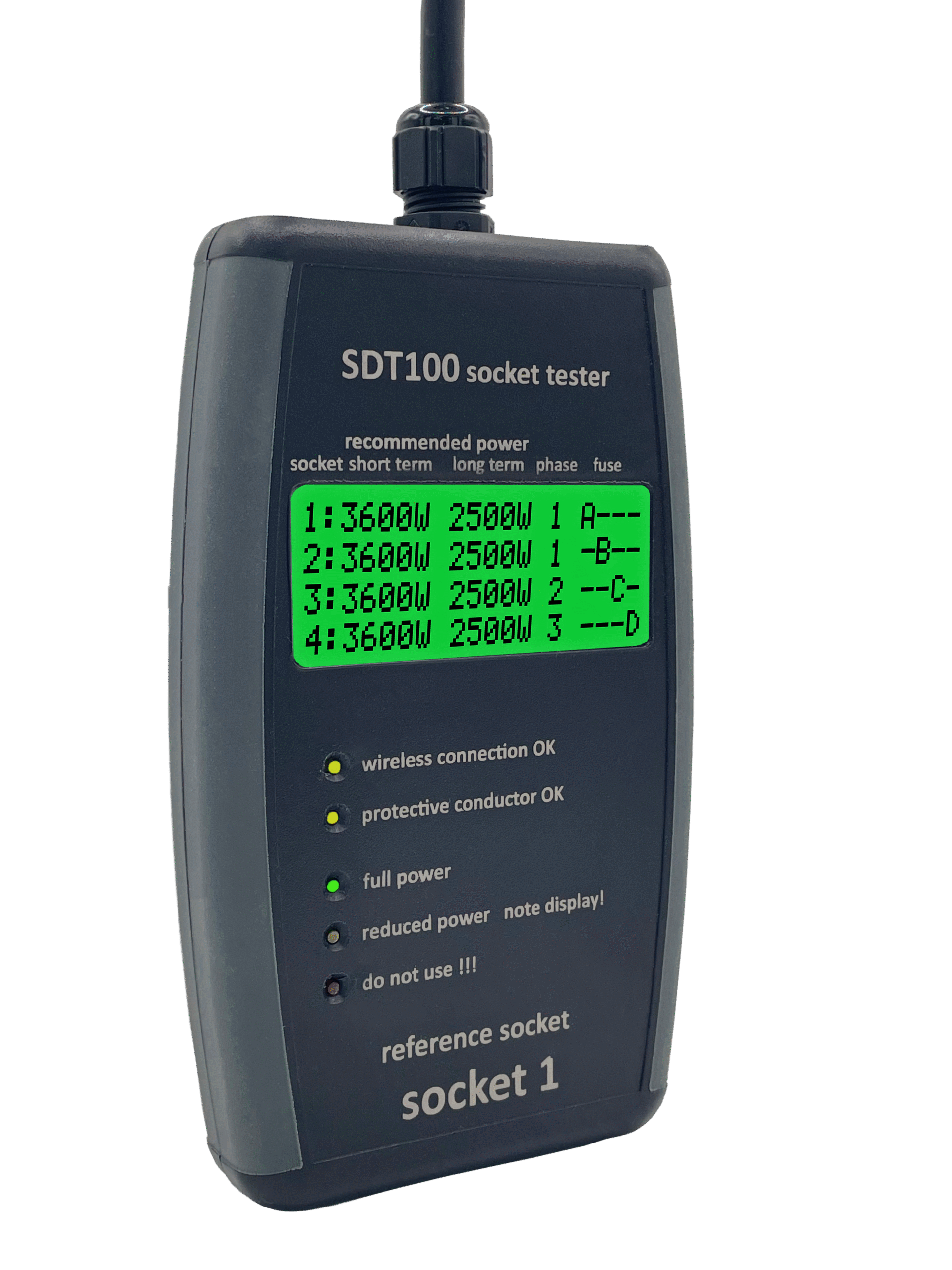
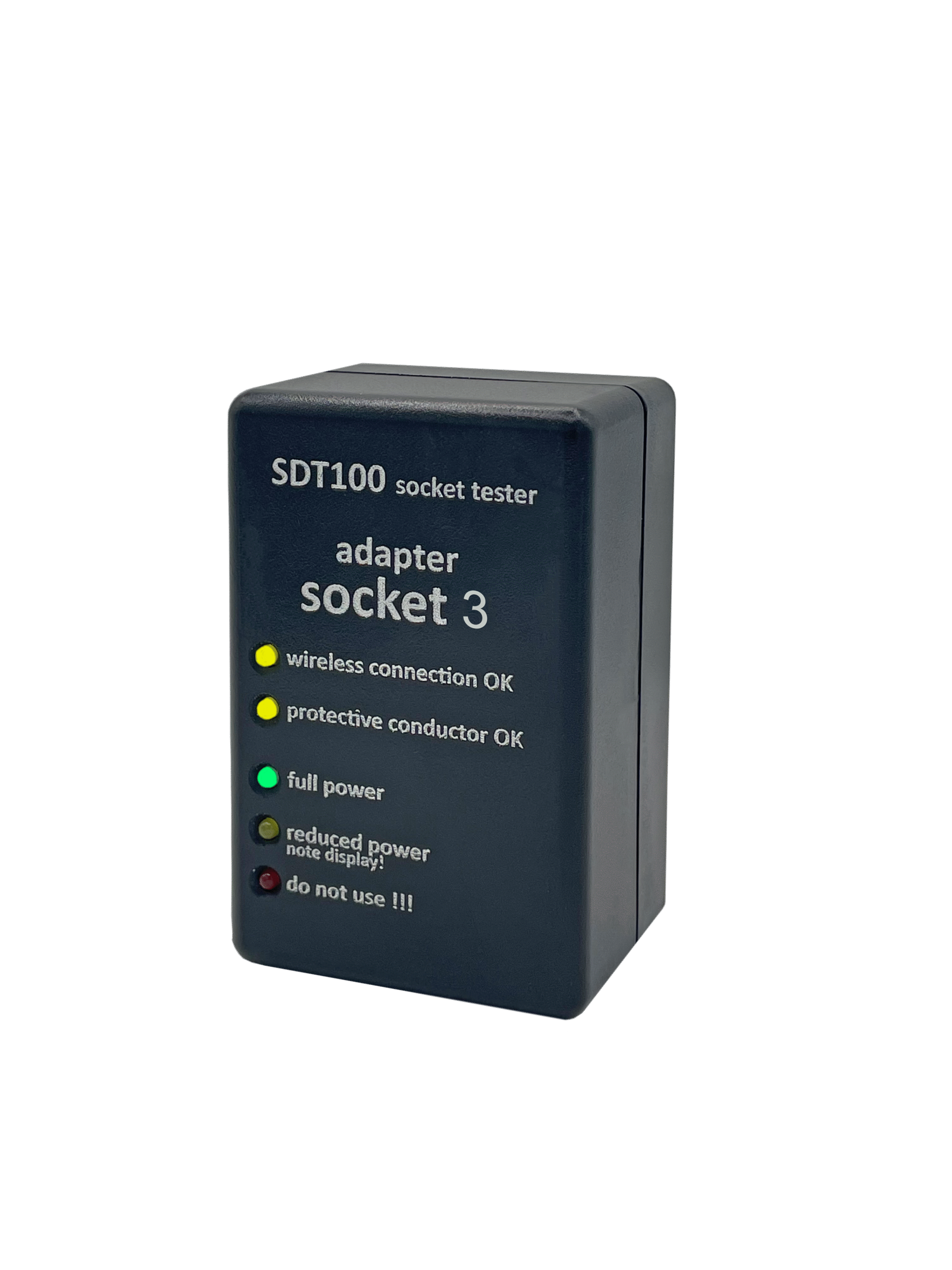
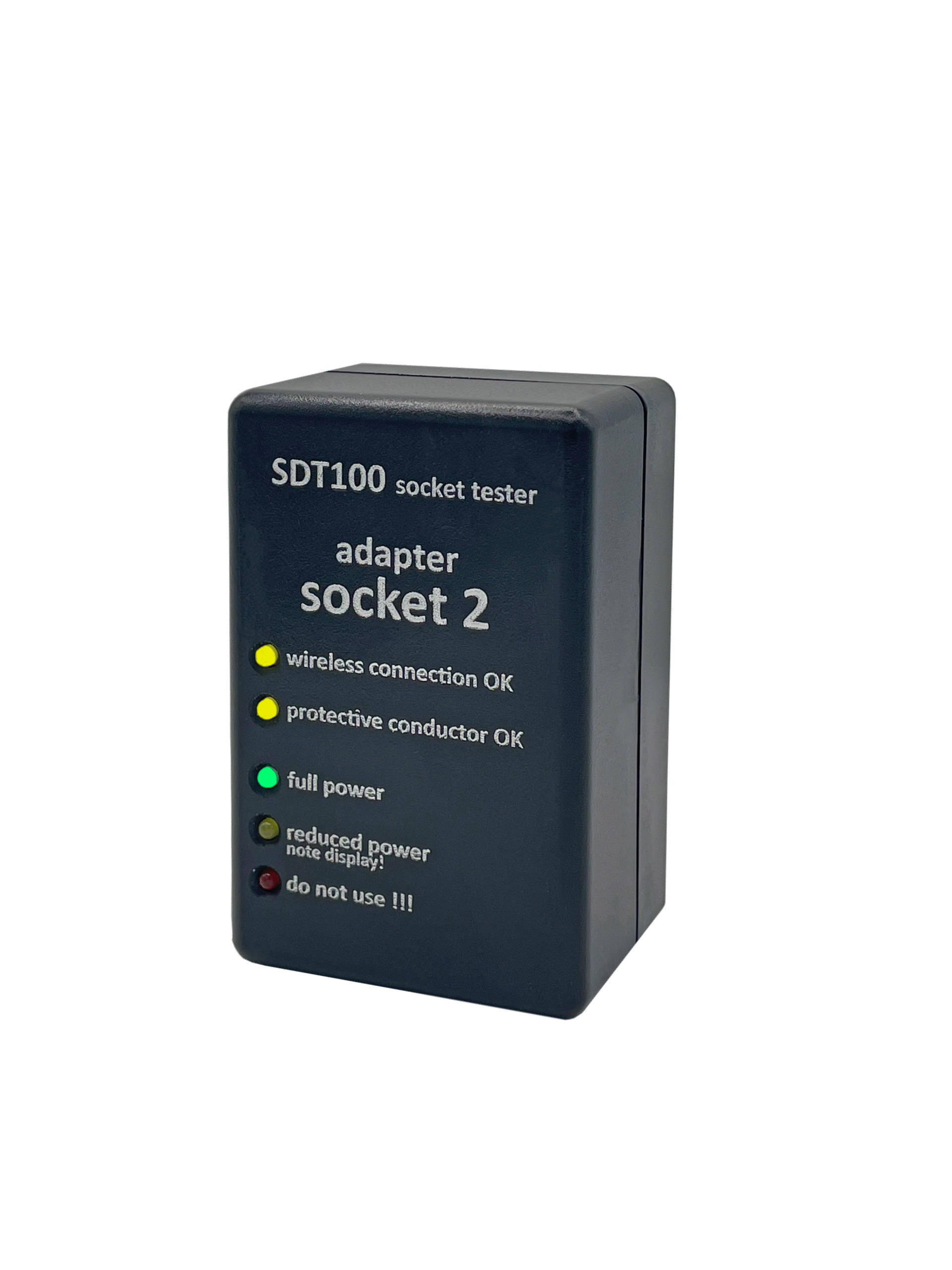
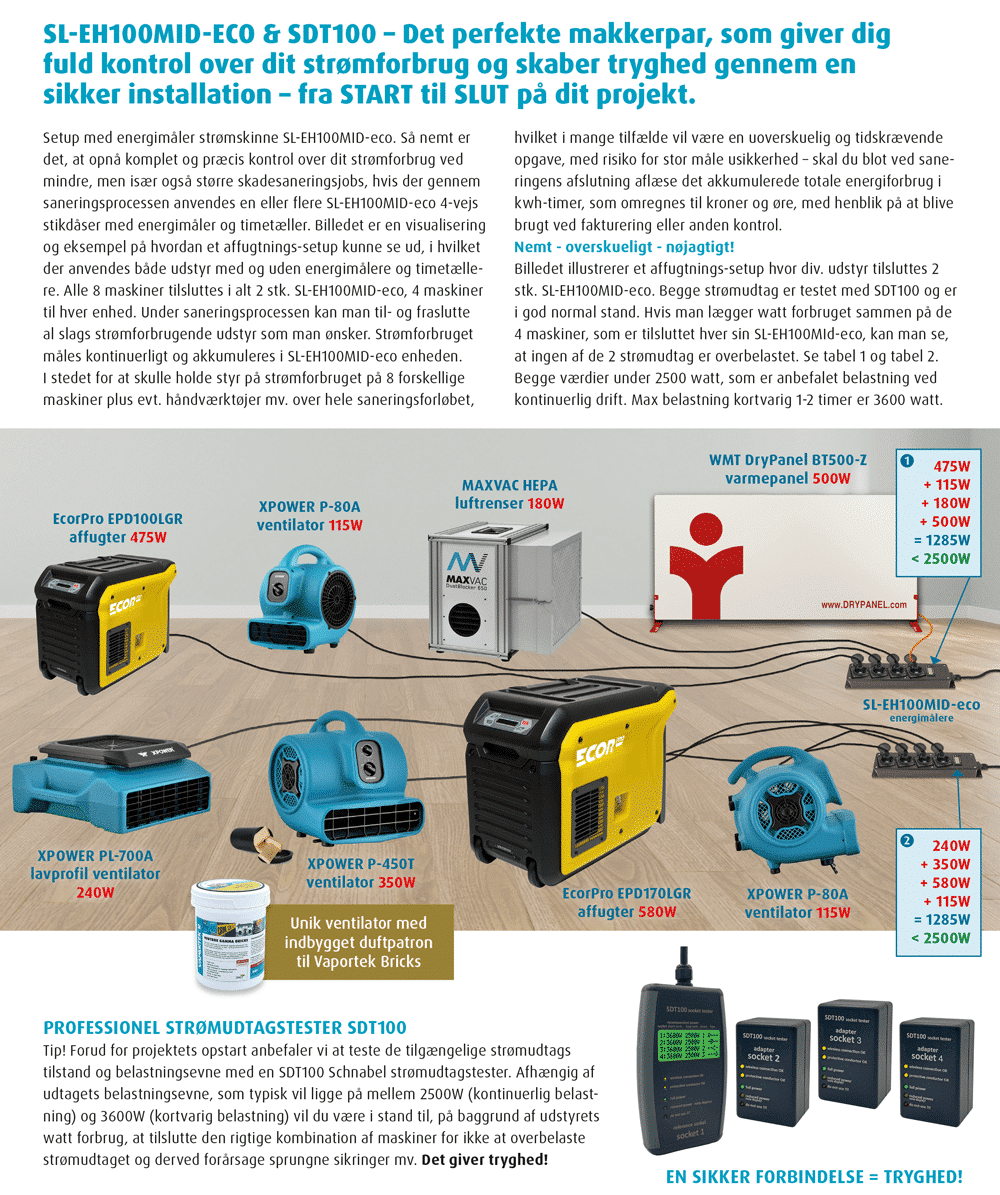
Unique test device for power outlets. Measure sockets in seconds, up to 4 sockets at the same time. Checks if the protective conductor (earth) is connected. Determines the recommended power for short-term and continuous operation. Determines which outer conductor L1, L2, L3 the socket is connected to. Determines which fuse the plug is connected to. Wireless network, range: 25 m.
The SDT100 power outlet tester is a test device that tests power outlets in an installation and provides important information about the condition of the power outlets (load capacity, protective conductor (earth conductor) PE, outer conductor L1/L2/L3, fuse).
With the newly developed and patent pending SDT100 power outlet tester, power outlets are completely measured in minutes, from power outlet to fuse in the distribution box. It checks whether the PE protective conductor is connected and determines the available power (short-term and continuous operation).
The power that can be drawn is affected by the length of the line and the condition of the line. Over the years, contact resistance can build up in distribution boxes, sockets etc. which, if the socket is subjected to excessive load, can lead to excessive heating and even apartment/house fires.
A standard household plug (Schuko plug) is designed for 16A. But only as a short-term load (1-2 hours).
According to recommendations from various institutes (VDE, etc.), a maximum of 11A, which corresponds to a power of approx. 2500W, should be connected to the socket during continuous operation.
Older electrical installations are also problematic. The old cables can no longer be loaded with the theoretically possible currents of 16A. Increased contact resistance in the distribution boxes leads to gradual, unacceptable heating and poses a major fire risk.
The SDT100 power outlet tester also determines the phase L1/L2/L3 to which the plug is connected. This information is important to avoid overloading a single phase under heavy load. For example, if 4 power outlets are loaded with 2500W each (=10kW/44A in total) during dehumidification, then when one phase (e.g. L1) is occupied, this phase will be loaded with an additional 10kW (4x11A=44A) on top of the existing load from normal daily operation.
This additional load of 44A can trigger the phase protection and thus paralyze the entire house/apartment. The individual phases (L1/L2/L3) are normally protected with a fuse of 32A, 64A or 80A depending on the size of the house. If 44A from the example is added, the limit of the backup fuse is quickly reached. By showing the phase assignment of each power outlet, this problem can easily be avoided.
Each power outlet is checked to see if protective conductor PE is connected. For example, if a PE conductor is missing in a power outlet, this will go completely unnoticed as long as there is no fault on the connected device. The power outlet works perfectly. But if there is a short circuit between the device and the metal housing, which is not uncommon, the entire device is under mains voltage. Neither the residual current device nor the circuit breaker in the distribution box will trip. This has already led to tragic deaths.
For each power outlet it is determined whether this outlet has its own fuse or whether this outlet shares the fuse with another outlet. The fuse allocation information is very important because power outlets that share a common fuse must share the maximum load of, for example, nominally 3600W per fuse. If this is not respected, the fuse will blow even if all devices are working properly. With a significant overload of e.g. 5000W/22A, a 16A fuse will blow relatively quickly and the humidity technician will notice this immediately. With a small overload of e.g. 4000W/17A, it may take several hours before the 16A fuse blows. By then, the moisture technician is usually no longer on site. The dehumidification process is interrupted and the moisture technician has to return to the site and check for faults in his equipment, even if there are no faults. This can repeat itself until the technician identifies the problem with the same fuse.
All of the above issues can now be analyzed with a single test device that can be operated by any moisture technician. This means that the moisture technician is on the safe side. This leads to a pleasant sense of security when setting up the dehumidification system.